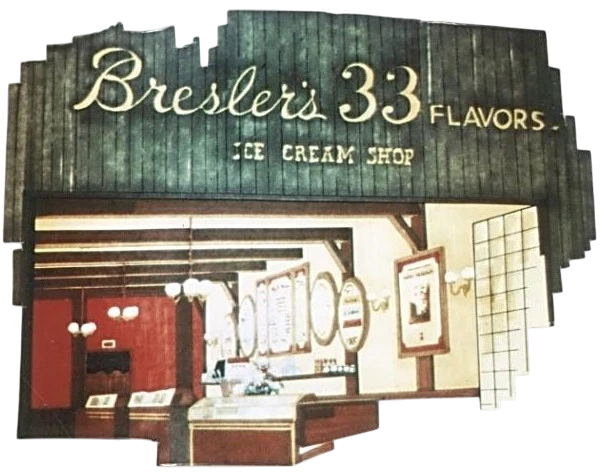
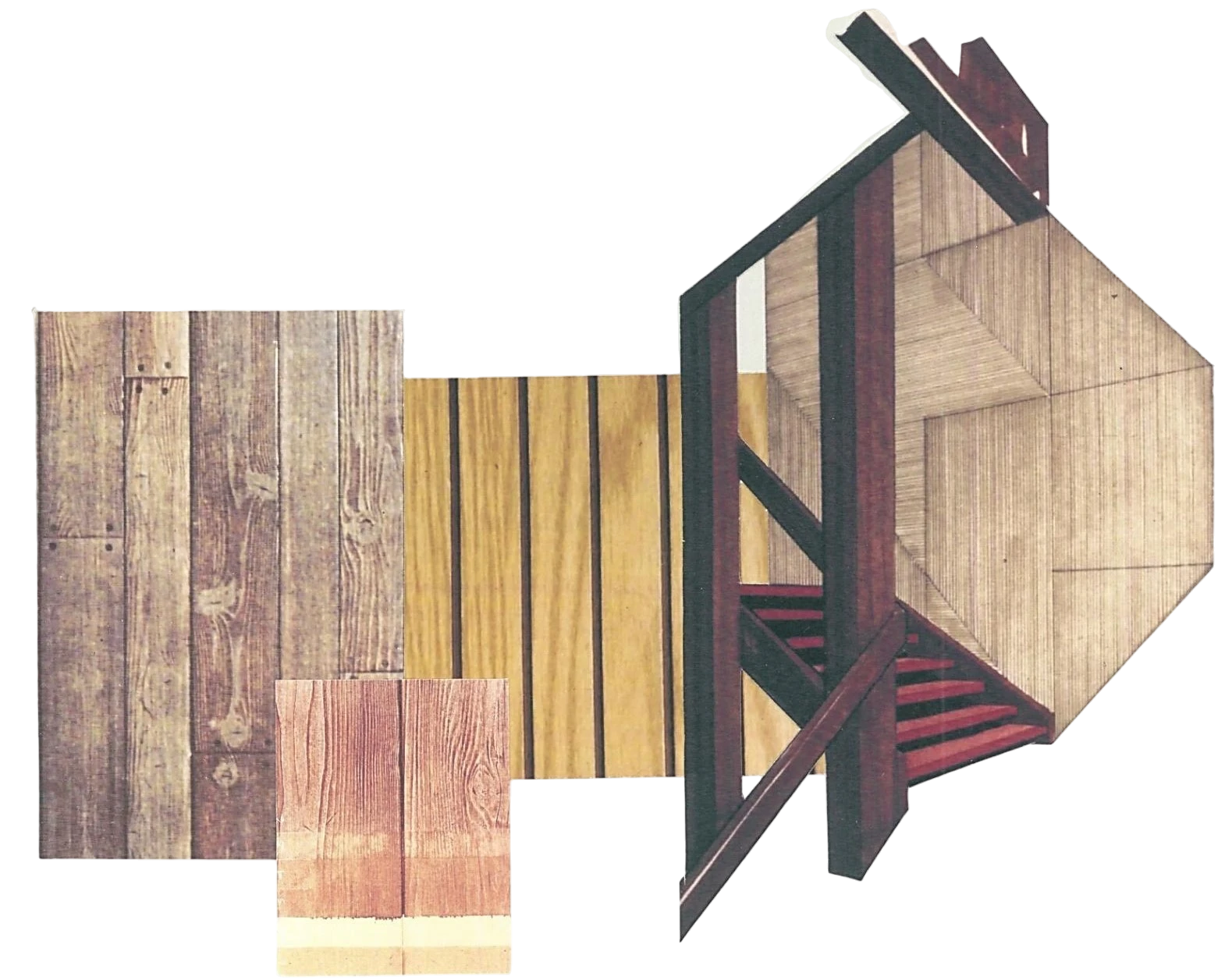
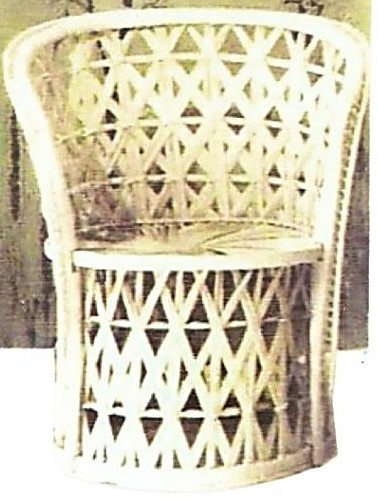
Results: The Masonite Corporation wanted market diversification from volatile residential building cycles. The Chain Account Market showed the fastest commercial growth potential. The Marlite Division of Masonite manufactured residential wall paneling. Utilizing Marlite’s manufacturing capabilities we met the Chain Account Market aesthetic, durability and price requirements. Interior design illustrations and product application services were introduced to inspire the specification of Marlite wall products. Within three years the majority of American Fast Food and Grocery Chains were applying Marlite products. Masonite renamed Marlite, The Commercial Division of Masonite.
Masonite Corporation
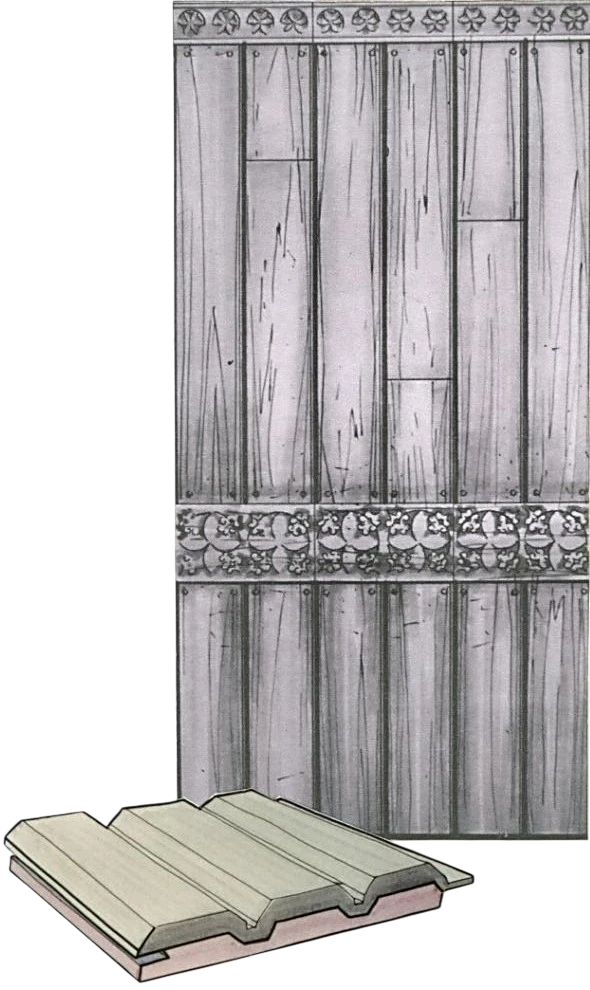
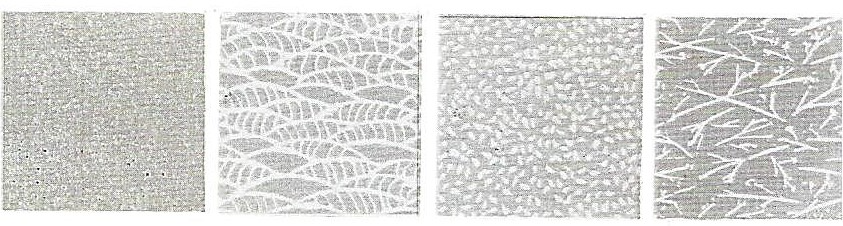
Employed as the Market and Product Development Manager for the Commercial Division of Masonite, the first priority was to create a wall panel that met the Fast Food and Grocery chain account market needs. I then collaborated with outside manufacturing and Masonite R&D to create diversified products that would grow Hospitality chain business. Products reflected on this page are “Post Embossed” panels that create deep carved textures, “Ceramic” coated panels with elegant patterns and unique finishes, and “Resin Tub Surrounds”.
Michael J. Dobija, IDSA — Industrial Designer
Post-Embossed Plank
Ceramic Coated Pattern
Decorative Accent Styling
Resin Tub Surround
Commercial & Architectural Products Group (dba Marlite, Dover, Ohio)
Michael J. Dobija, IDSA
Industrial Designer
Client: Commercial & Architectural Products Group (dba Marlite, Dover, Ohio)
Solution: General Commercial Market, Surface Systems
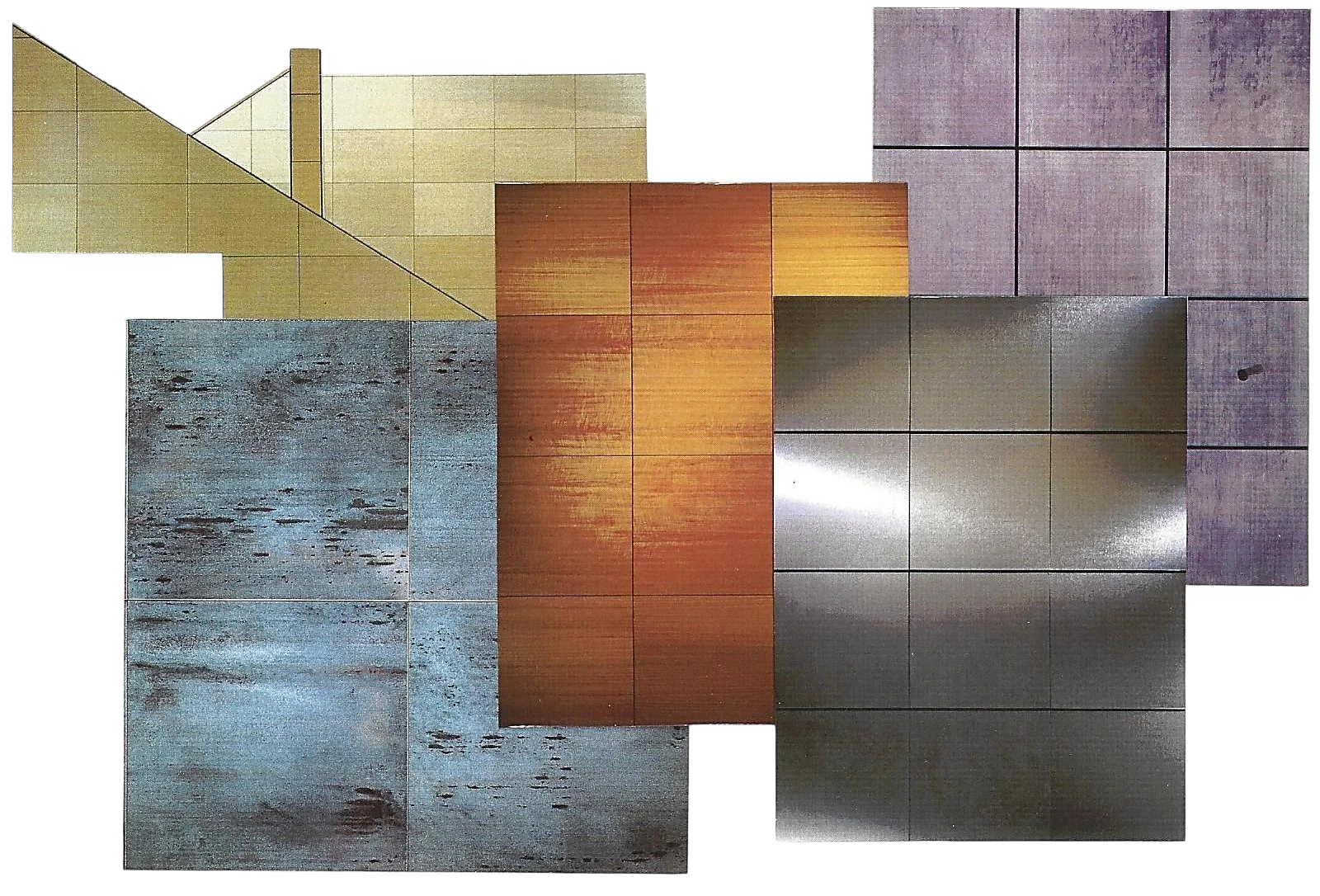
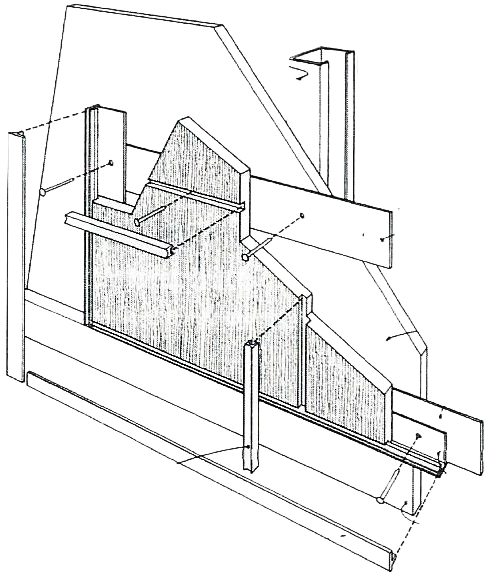
Results: Marlite’s management targeted A&D Specifications servicing the General Commercial Market as a business diversification. The Surface Systems product line was designed and developed to satisfy the General Commercial market’s needs and fit Marlite’s manufacturing capabilities. Sales training and Missionary Sales services resulted in immediate A&D specifications. Marlite entered the General Commercial Market, the recipient of numerous industry awards (e.g. Good Design, Roscoe, IBD, SPI, IDEX Awards). Surface Systems received US Utility Patent #5,644,884. Surface Systems is Marlite’s most profitable product line.
Marlite
Michael J. Dobija, IDSA
Industrial Designer
Client: Marlite
Project: Modified Market, Modified Product
Solution: Health Care & Education Market Segments, Connections 44 Product Line
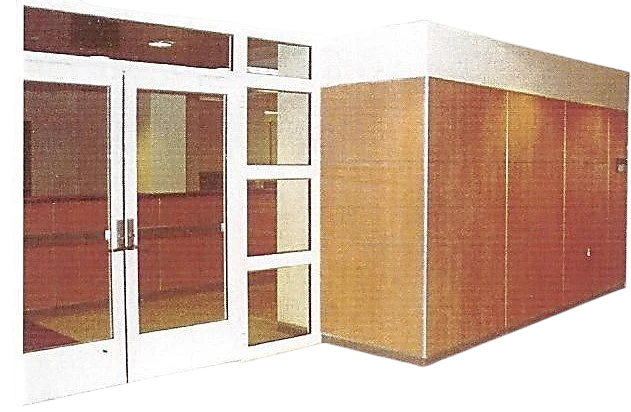
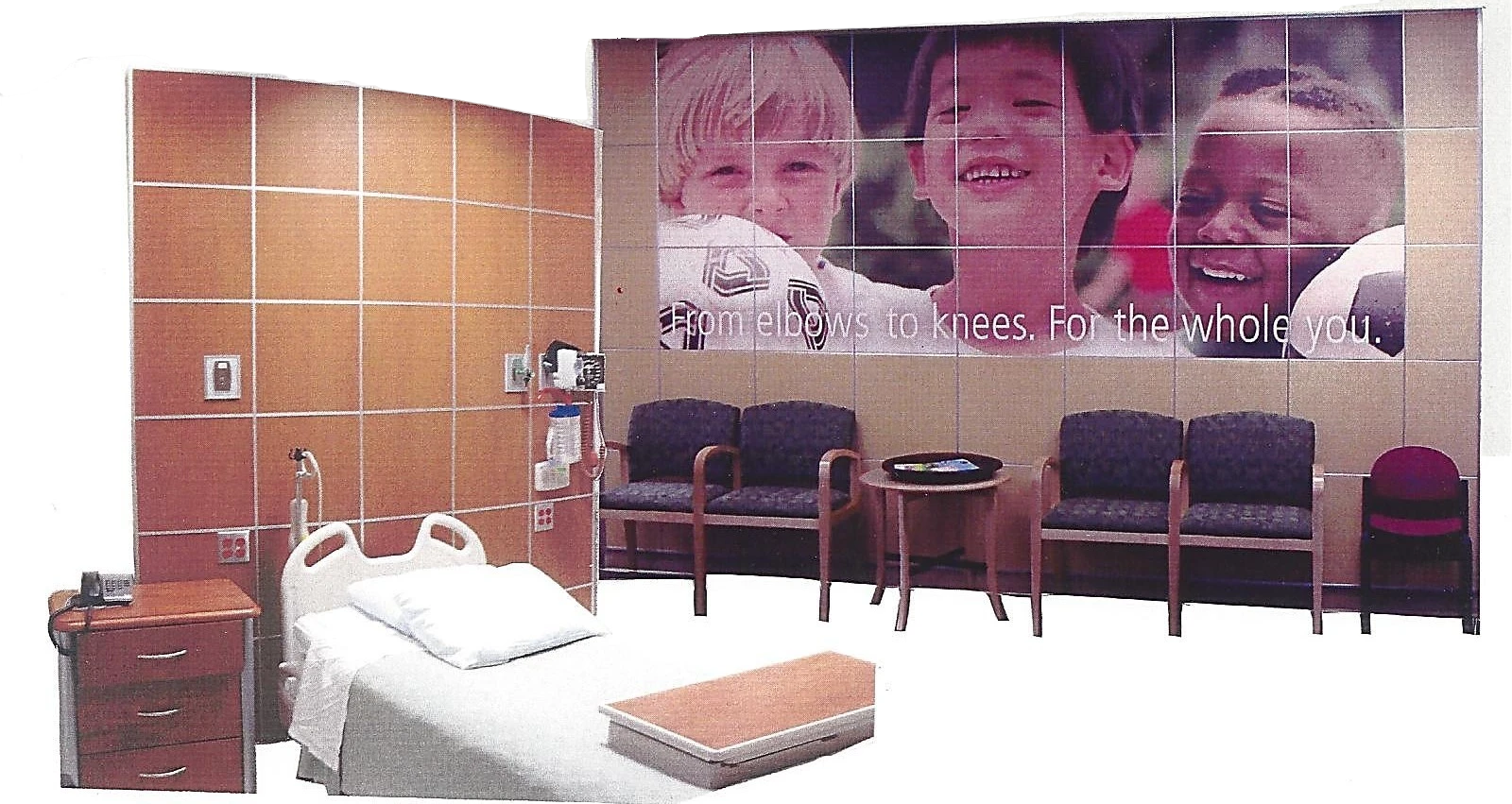
Results: Health Care and Education are growth markets. Their wall surfaces require specific function, aesthetic and price solutions. Connections 44 satisfies these needs. It became the fastest selling new product in Marlite’s recent history. Individual hospitals like Cedars Sinai and Grossmont, plus multiple location medical centers like Scripps, Kaiser Permanente and Banner have listed Connections as their building standard for public and patient room applications. Secondary schools and universities specify Connections for high traffic public areas, classrooms and auditoriums. The Connections product line received Design Patent #D533284.
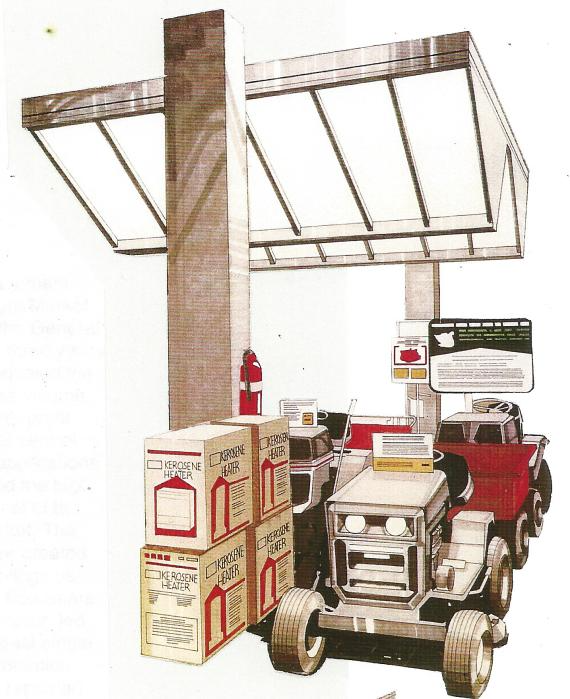
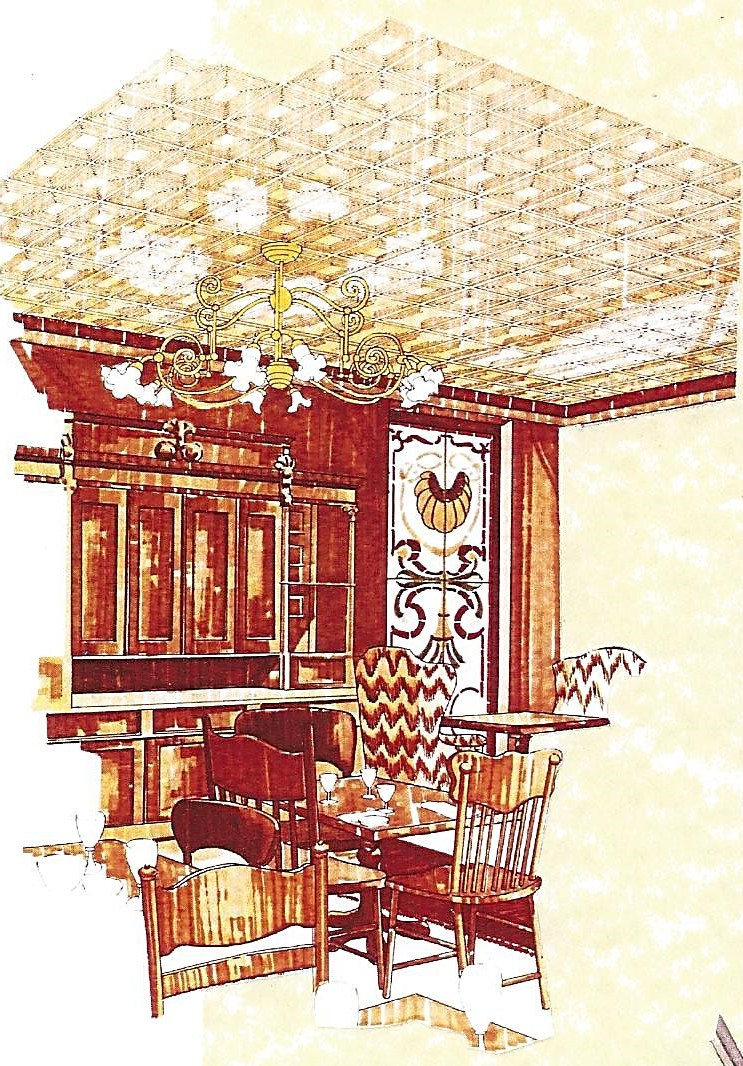
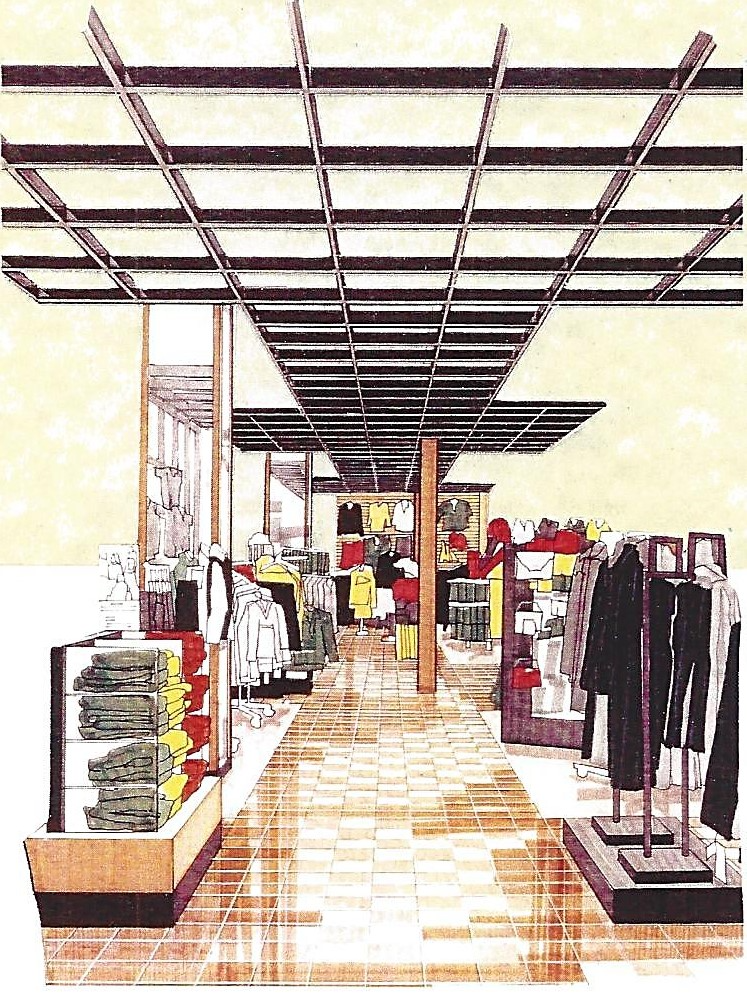
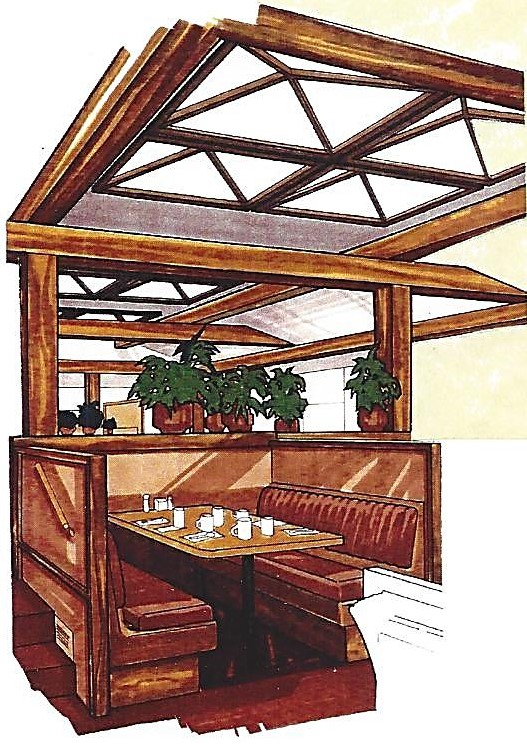
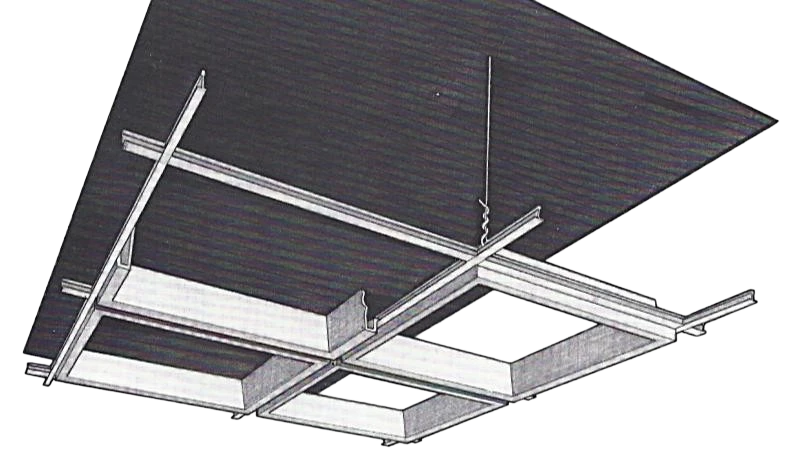
Results: Integrated Ceilings management targeted the Chain Account Market as a diversification from the General Commercial business. In three years the chain sales volume equaled the General Commercial sales volume. The chain sales had higher profit margins resulting from the central specification multi-store applications. Chain sales also balanced the high and low sales cycles typical of the General Commercial Market. The adjoining illustrations were created to promote Integrated Ceilings use as department identity in 650 Sears store locations. This promotion led to Integrated Ceilings largest single order. The design and promotion service was successfully repeated with multiple Chain headquarters.
Integrated Ceilings, Inc.
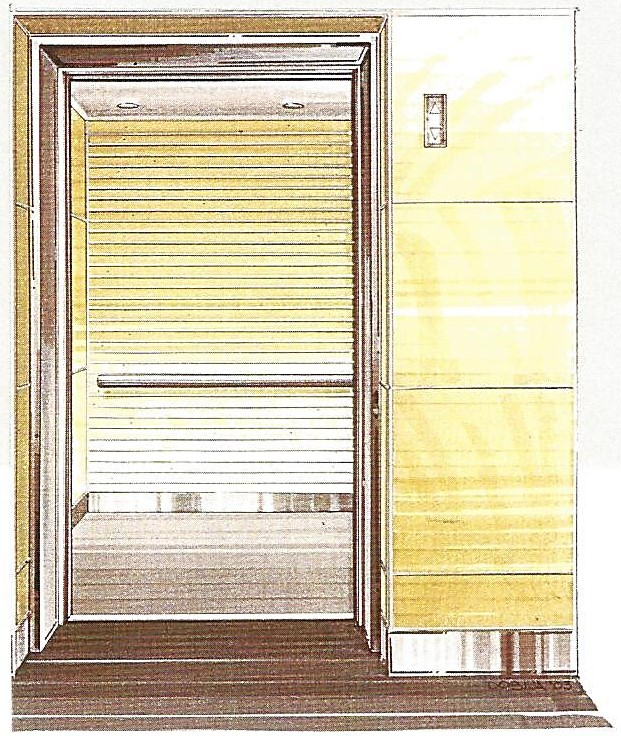
Working under contract with Integrated Ceilings, Inc. (ICI), I collaborated with ICI’s nationwide representatives to develop Chain Account business. I provided the following services: target the chain headquarters, analyze their needs, create a ceiling solution that enhanced the chain’s image and added merchandising impact. These services included interior design, product design, interior illustration and manufacturing documents. The ICI representative would service the account once the prototype and program were in place. Illustrations on this page represent three of many chains developed; Lerner Shops, Bennigan’s Restaurant and Wags Restaurants.
Michael J. Dobija, IDSA — Industrial Designer
Bennigan’s Restaurant
Lerner Shops
Wags Restaurants
Chicago Metallic Corporation
Michael J. Dobija, IDSA
Industrial Designer
Client: Chicago Metallic Corporation
Project: Existing Markets, Diversified Product
Solution: General Commercial & Chain Account Markets, Cut-Outs Product Line
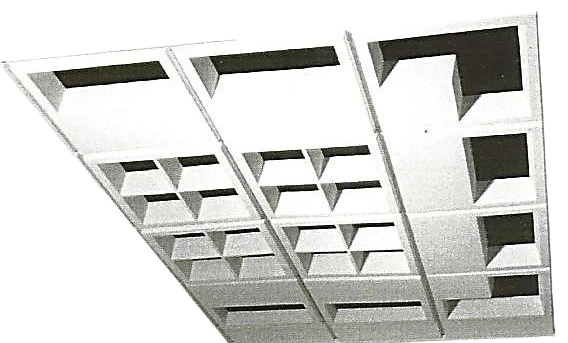
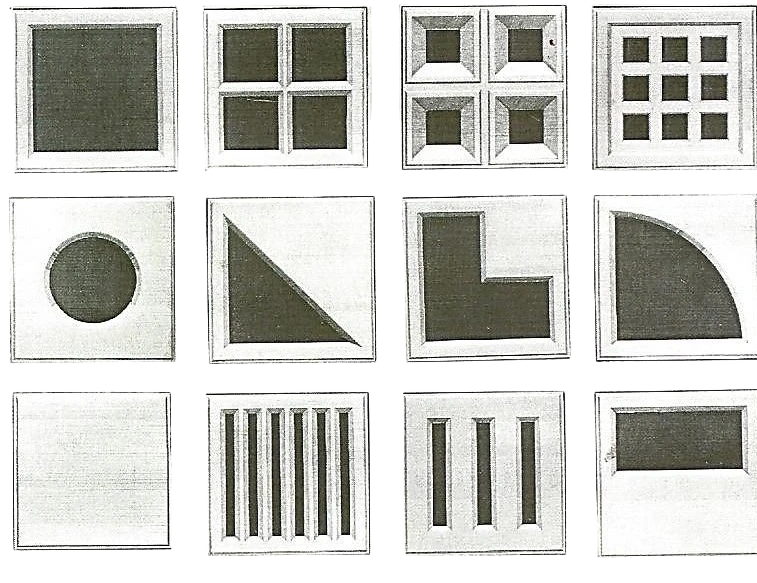
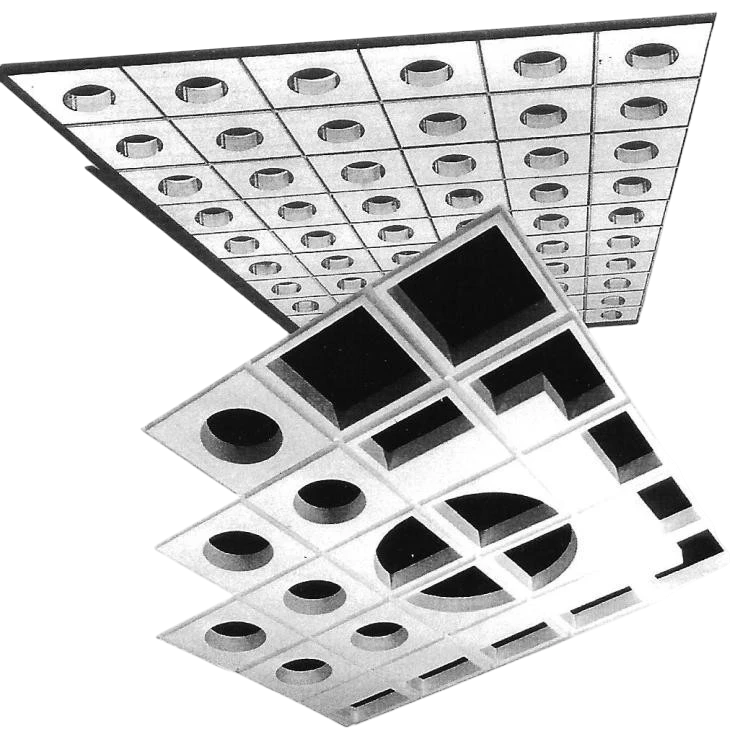
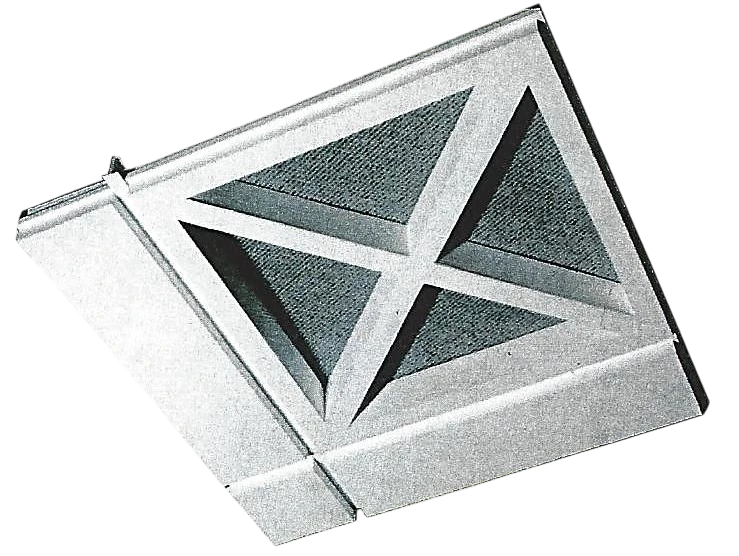
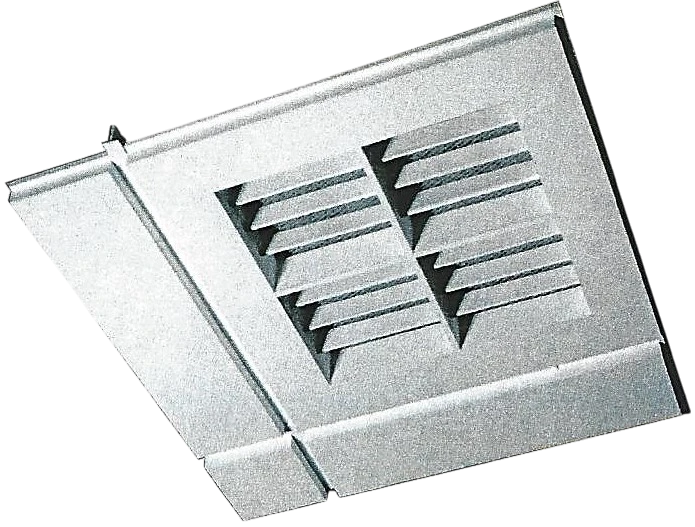
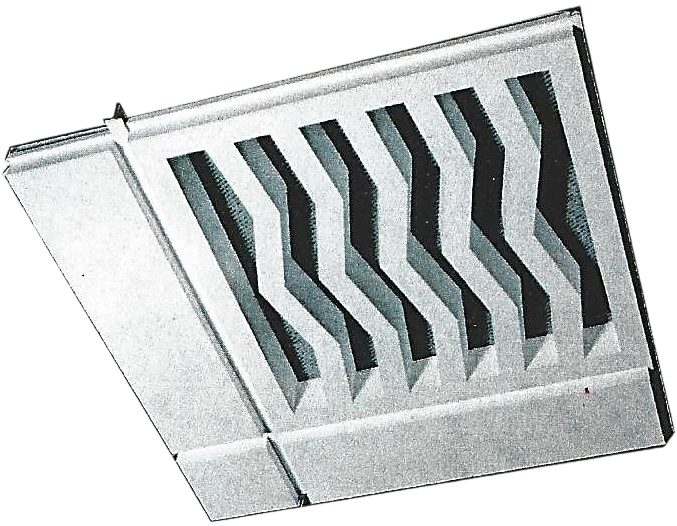
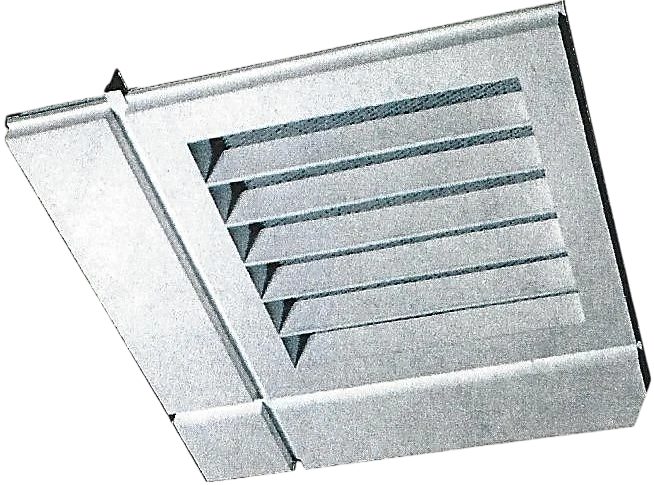
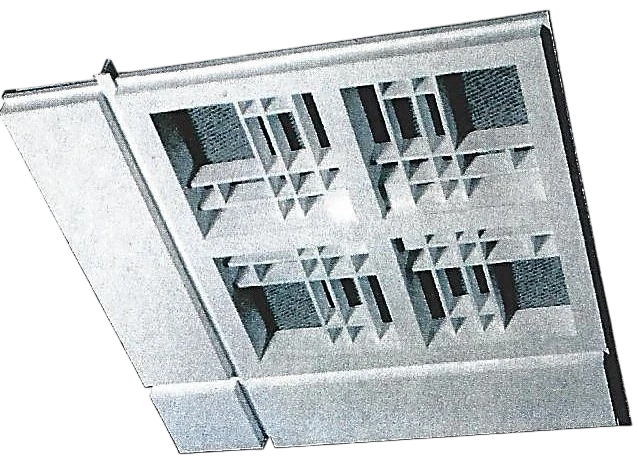
Results: Chicago Metallic Corporation wanted a specialty ceiling line to increase the appeal and purchase of their ceiling grid suspension systems. Late modern design trends favored geometric pattern. Interior design applications favored open plenum ceilings. Open plenum ceilings are an economical installation method for HVAC, lighting and fire sprinklers. Cut-Outs open cell designs satisfy these ceiling needs. First, the Cut-Out open cell designs mask visibility of the overhead utilities and allow the openness that permits the utilities to function. Secondly, the Late Modern geometric design preference is met with the repeat of any Cut-Out pattern or the combination of pattern designs that create expanded geometric designs.
Chicago Metallic Corporation
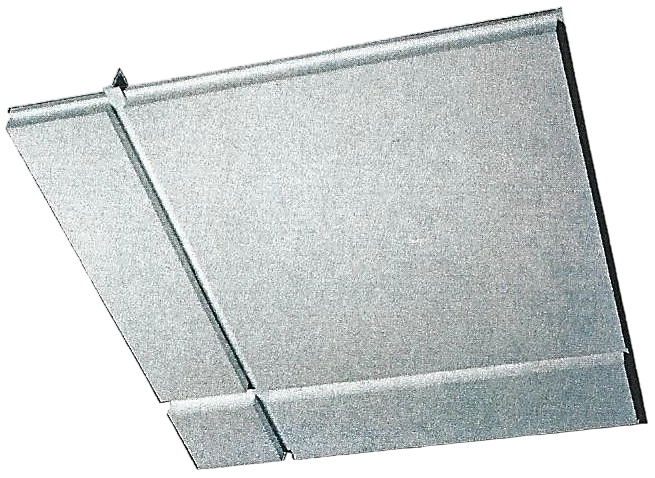
Consultant services provided to develop the Cut-Outs product line included market analysis, product concepts, product design, outside vendor development, promotion literature and missionary sales. The product photographs on this page exhibit prototype panel designs. I fabricated full scale 2’x2’ panels, each with an inverted “T” Bar grid joint and filler panel assembly to replicate a ceiling perimeter condition. The prototypes were used in focus group discussions.
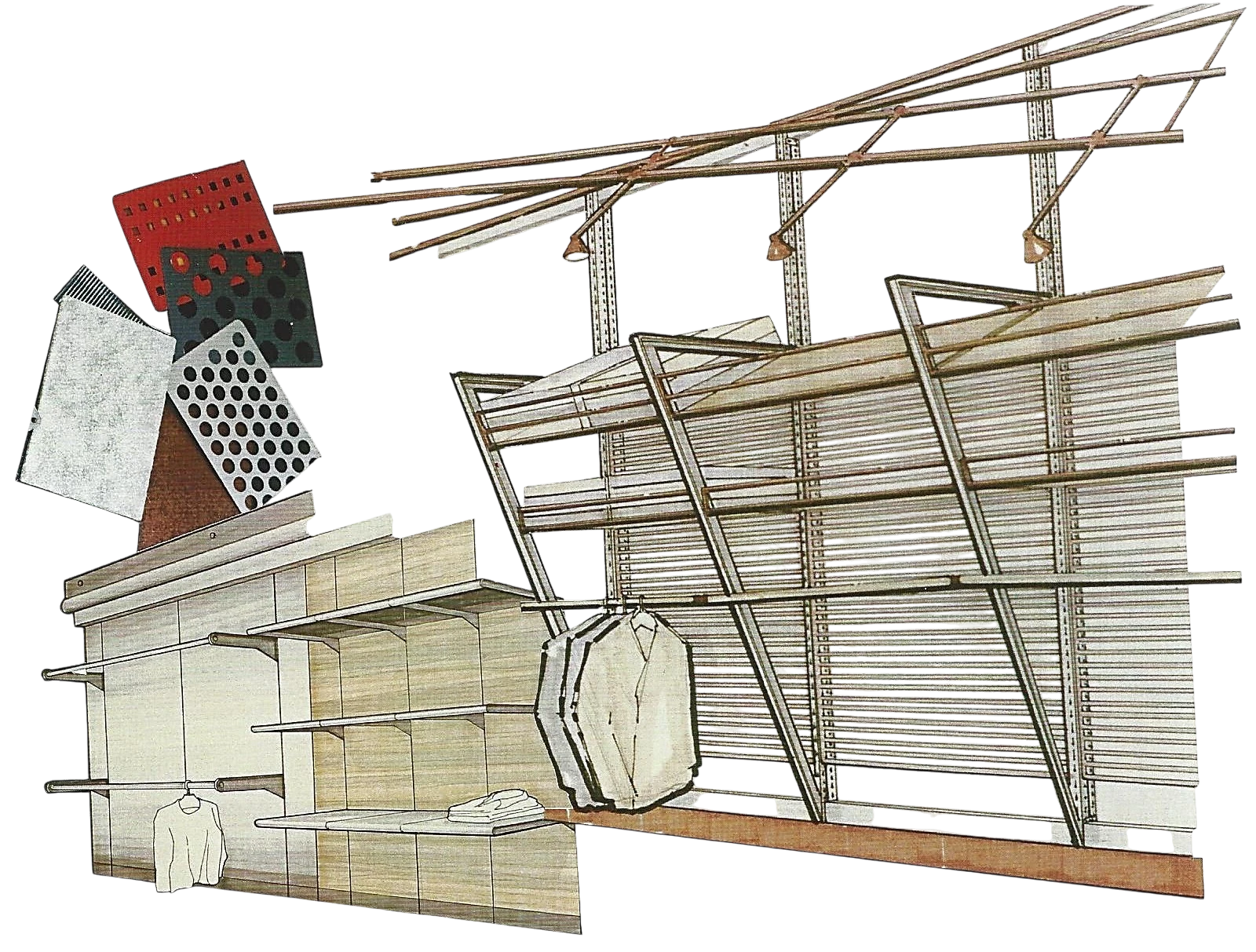
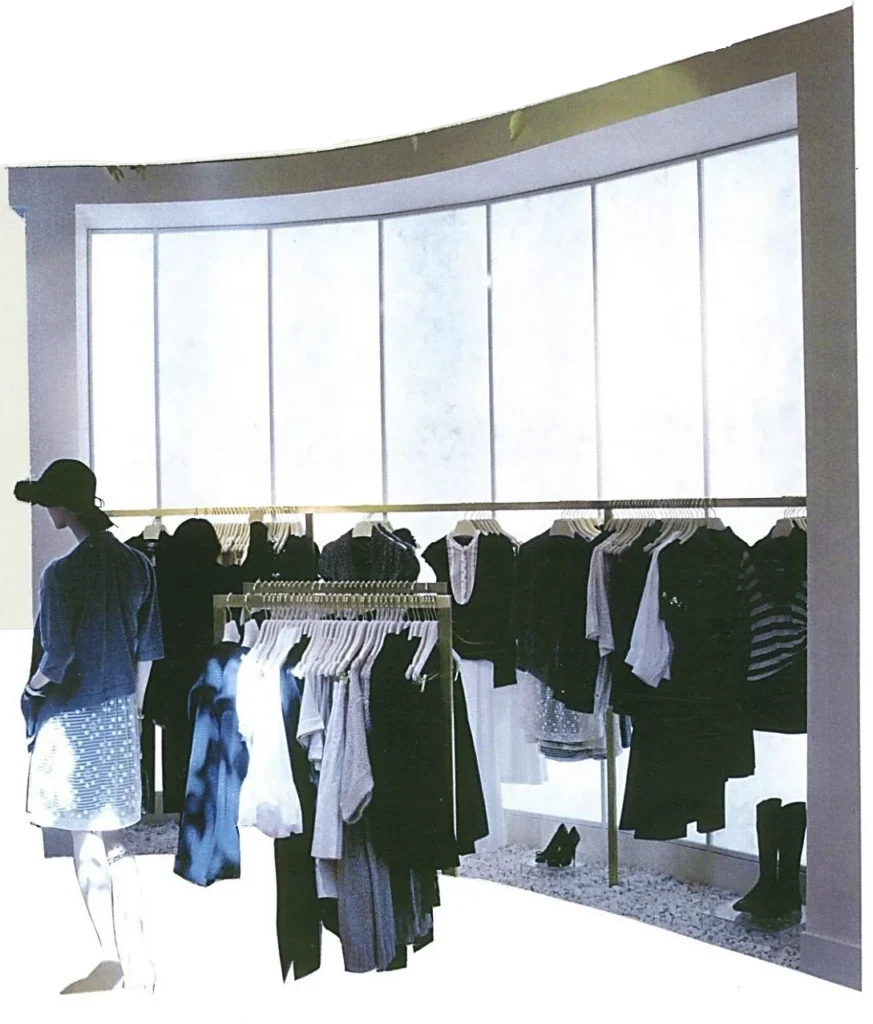
Solution: Focus on Fashion Retail, Existing Hardware System Reconfigured & Enhanced with Trend Materials/Finishes
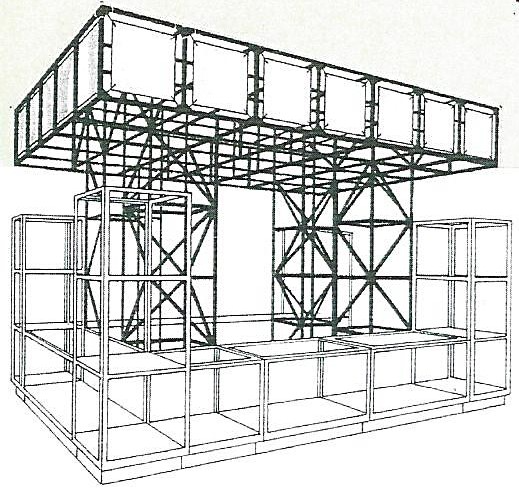
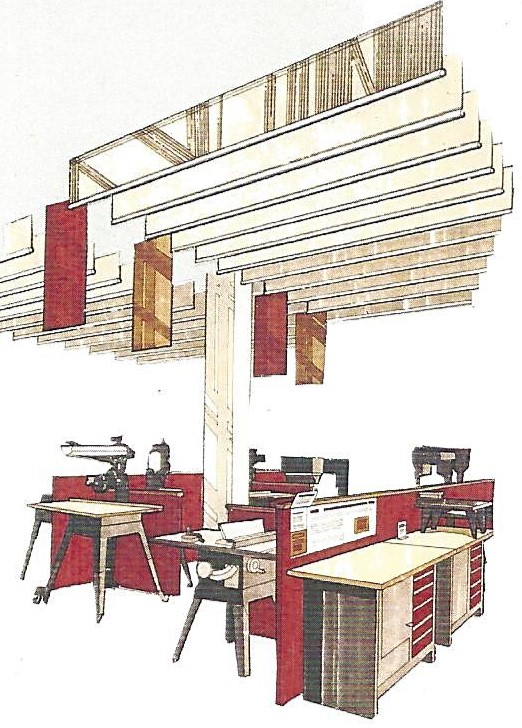
Results: Fashion Merchandising was added to Ready Metal’s collection of retail store fixtures. The fashion soft wear fixtures gained Ready Metal interest with retail designers, new chain accounts and reinforced their favored position with existing accounts. The modified product designs utilized existing hardware and manufacturing capabilities. The fashion fixtures were created by configuring the existing hard line fixture hardware in new ways then surfacing the structure with fashion oriented materials. Fixture sales increased by 45%.
Folio, Inc.
Michael J. Dobija, IDSA
Industrial Designer
Client: Folio, Inc.
Project: Diversified Market, Diversified Product
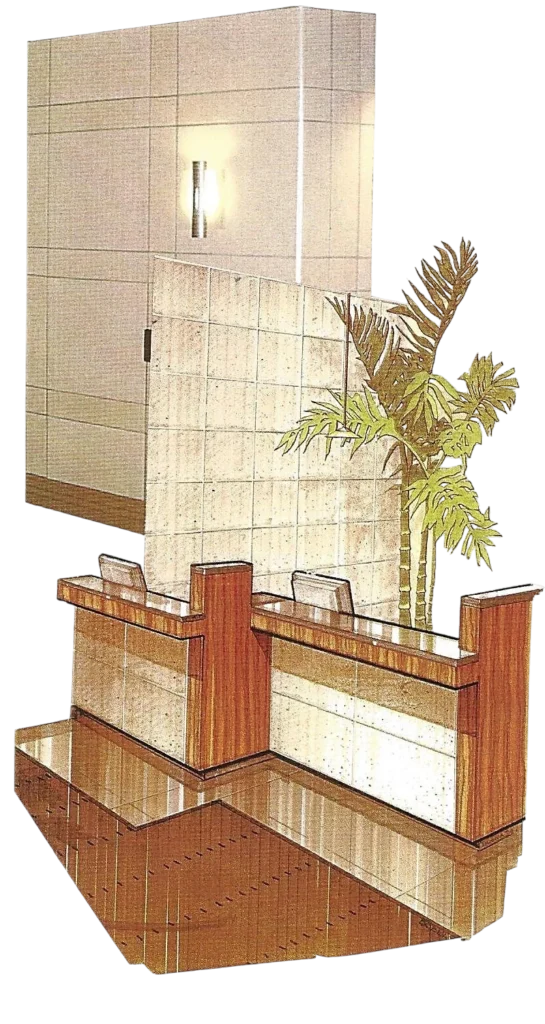
Solution: Health Care Market, Stonetch Product Line
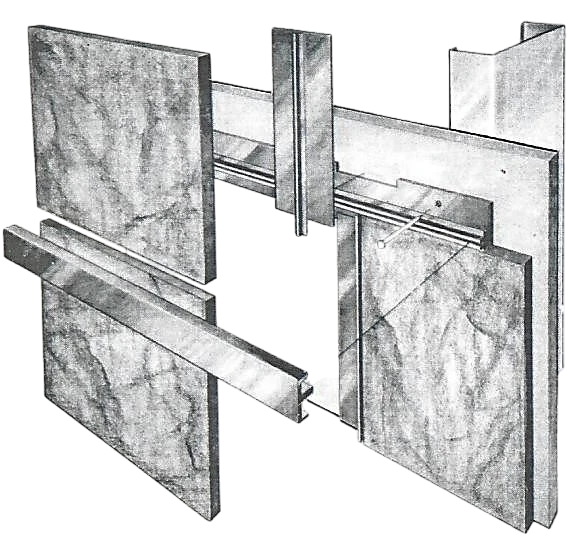
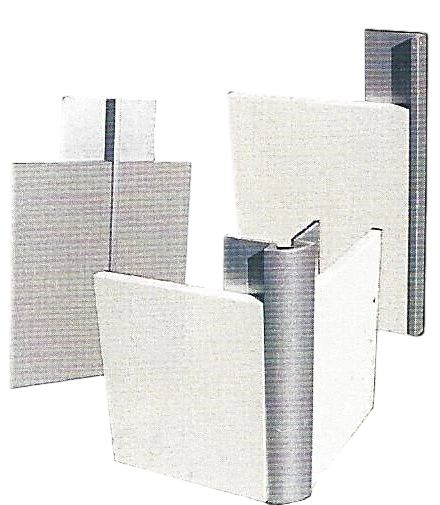
Results: Folio management targeted the Health Care Market as a new business opportunity. Health Care design trends are focused on low maintenance, fire rated items that make a hospital stay less stressful. Nature themes with neutral color and natural finishes are used. We developed Stonetch wall panels with accent hardware. The panels meet the design needs. The hardware simplifies the installation and is installed to provide panel protection at edges, intersections and corners. Stonetch panels are a cast composite with a natural honed stone finish. To enhance the finish, a series of design textures are offered with or without inlay colors. The Stonetch product introduction was received with immediate interest, specifications and installations at Kaiser Permanente Medical Centers, Hoag Hospital and Boise, Idaho Cardiac Hospital.
Michael J. Dobija, IDSA
Industrial Designer
Client: Folio, Inc.
Project: New Markets, New Product
Solution: General Commercial & Chain Account Markets, Folio Litewall
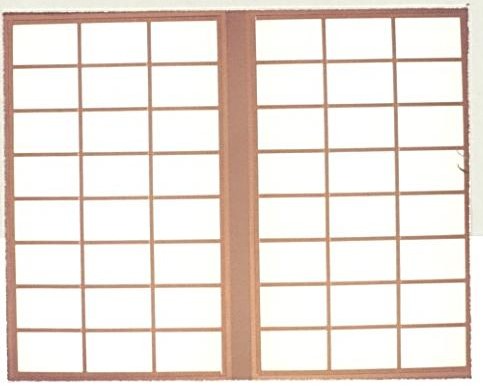
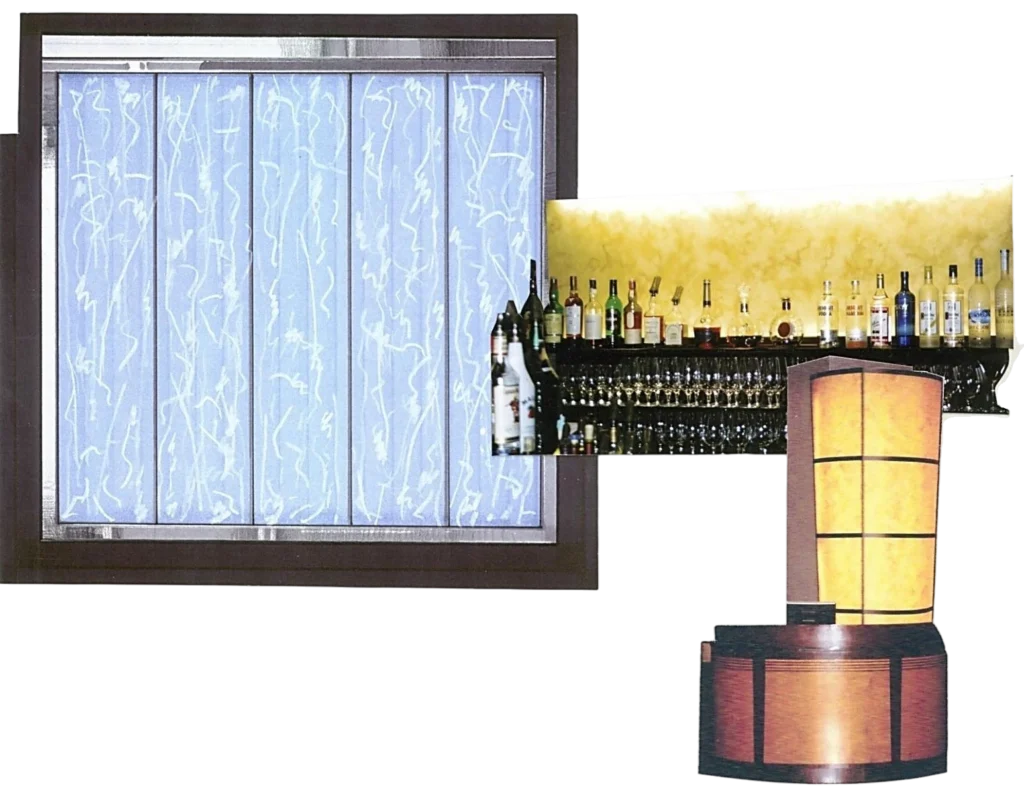
Results: Folio Inc. was seeking a unique product solution that met the needs of the General Commercial Market and fit Folio’s manufacturing capabilities. Light Construction trends and backlit translucent material applications provided insight into the need for a pre-engineered luminous wall system offering diverse components, installation flexibility and an affordable installed price. Litewall met these needs. It has been awarded US Utility Patent #7510297. Installations include Scripps Medical Center, Disney Hotel Lounge, BCBG retail stores, The Indianapolis Convention Center Tunnel to Lucas Stadium.
Folio Litewall
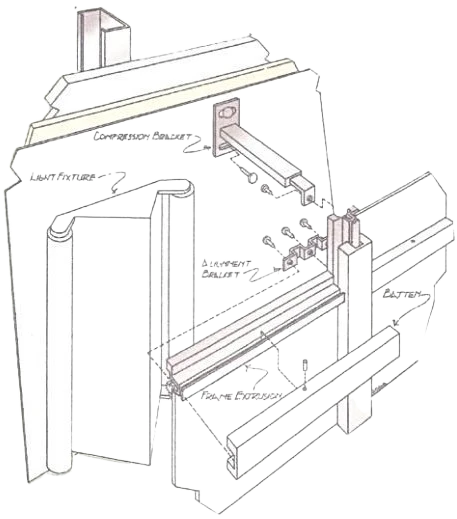
Litewall is an Interior Luminous Wall Product System that offers the following advantages.
Pre-Engineered System simplifies design, specification and cost estimating.
Factory Manufactured Components guarantees compatibility and exact fit.
Design Options offer standard and custom material and finish options.
System Components Shipping is job site friendly. Hardware ships in tubes, panels and light fixtures in boxes.
The adjoining installation photographs and system schematic present Litewall Face Fasten hardware.
2004 - Present
Averve, LLC
Railset, Decorative Panel Trim
To complete a Railset Web decorative wall installation, panels are fixed to the Web in three ways. Cleats attach to the back of the panel then slot into the rail, Clips that slot into the rail then engage kerfed panel edges, and Face Fasteners that mount to the panel and rail. Splines join and align panel vertical joints. The Edge Trim flange slots into the rail to cap exposed panel edges. The Edge Batten slots into the Edge Trim to cover panel edge saw cut fragmentation.
Since all mounting hardware attach to the square and level Web, panel joints and corner intersections align perfectly.
CLEAT
CLIP
FACE FASTENERS
EDGE TRIM & BATTEN
VERTICAL SPLINE
Decorative Wall Panel Installations
Kaiser Hospital Nurse Station Corridor Wall
llumina Corporation Corridor Wall
2004 - Present
Averve, LLC
Railset Web Pre-Assembly
Railset’s Web pre-assembly benefits.
reduce field labor time and cost
assembled during job site delays
accommodate limited site conditions
assembled by less expensive labor
Pre-Assembly Layout Table
Pre-Assembled Web with Female Friction Fit Components Attached
Male – Female Friction Fit Component Assembly
Kaiser Hospital Patient Headwall Installed Using the Pre-assembled Web
2004 – Present
Averve LLC
Trimset Panel Hardware
The introduction of 3mm thick large slab porcelain and decorative composite panels offered education and healthcare designers a durable, decorative, and affordable product. However, the density of the materials made panel edges vulnerable to chipping.
3mm panels entered the market dependent on existing aluminum trim intended for utility applications not decorative applications. I designed Trimset hardware to compliment the decorative panel aesthetic. A collection of 6063 T5 clear satin anodized extrusions protect the panel edges, mid-wall joints and perimeter edge and base cove with minimalist detailing. A HMC designer reviewed the Trimset profiles and commented, “ Trimset profiles are like jewelry.”
Trimset Extrusions with 3mm Panels
Outside Corner
Mid-Wall
Edge
Cover
Pomona Medical Center Lobby, Trimset with 3mm Porcelain & Decorative Composite Panels